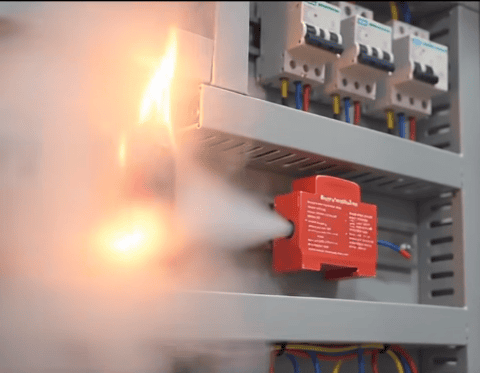
Circuit Breaker VS Fuse
The difference between circuit breaker and fuse
Should we use fuse or circuit breaker?
If i used a circuit breaker do i need fuse still ?
How does it works ?
Introduction
To ensure the safety of electrical equipment and users, we often face a choice when designing and installing circuits: should we use fuses or circuit breakers? If i used a circuit breaker do i need fuse still ?Ideally, both types of devices should be present in every household and equipment setup. The key lies in knowing when to choose a circuit breaker and when to use a fuse.
Below, we explain the differences by examining their operating principles and protective characteristics, and by comparing the two types of electrical devices.
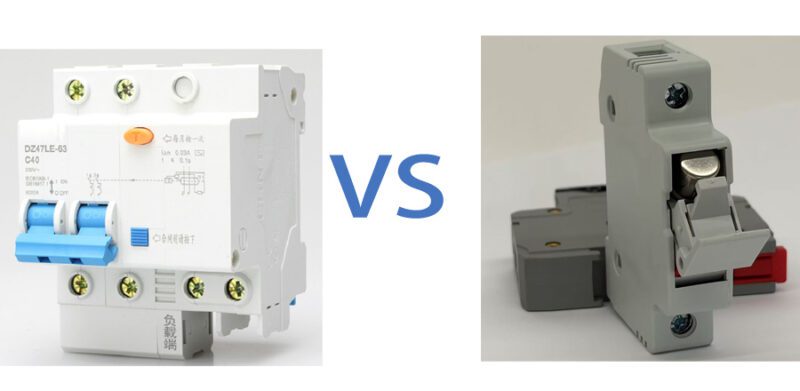
What is circuit breaker, and how does it work?
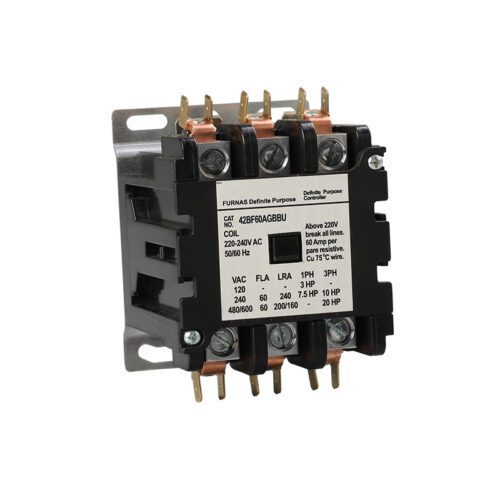
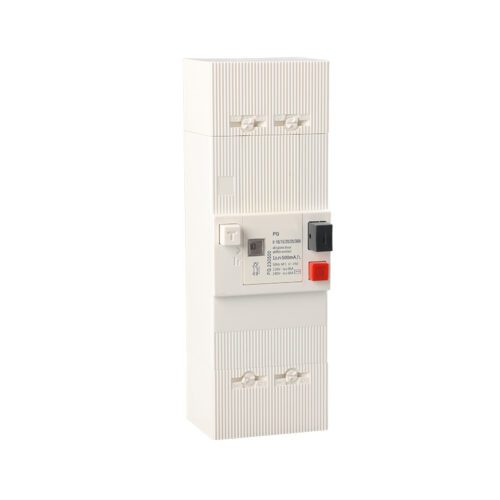
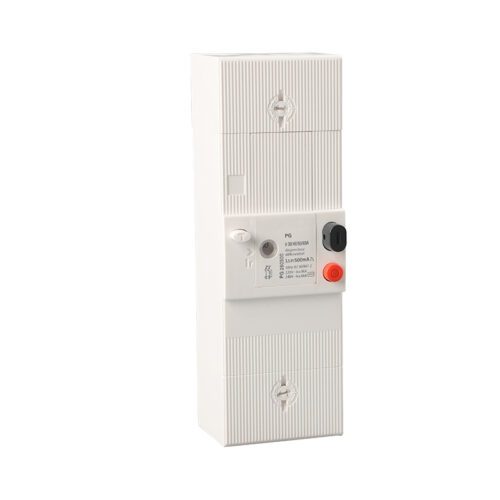
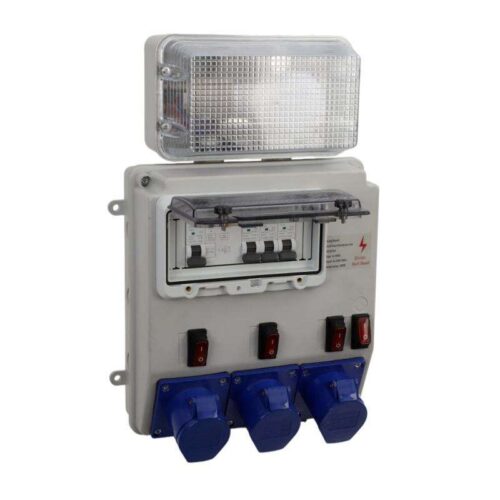
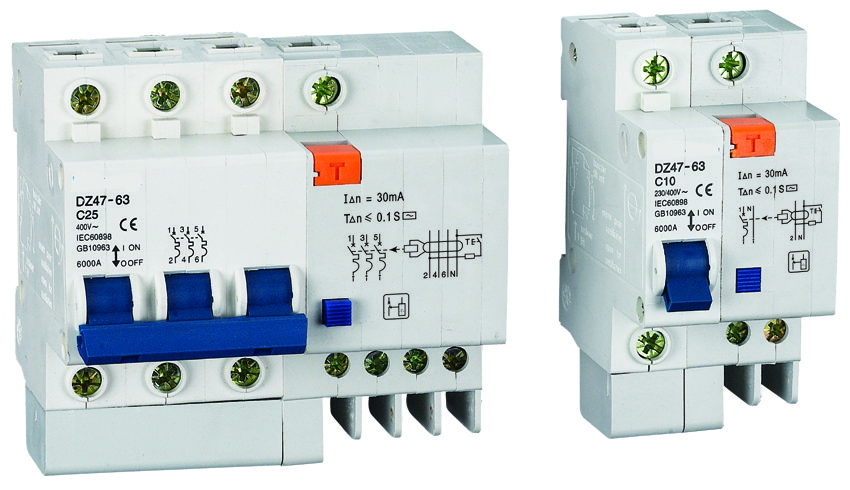
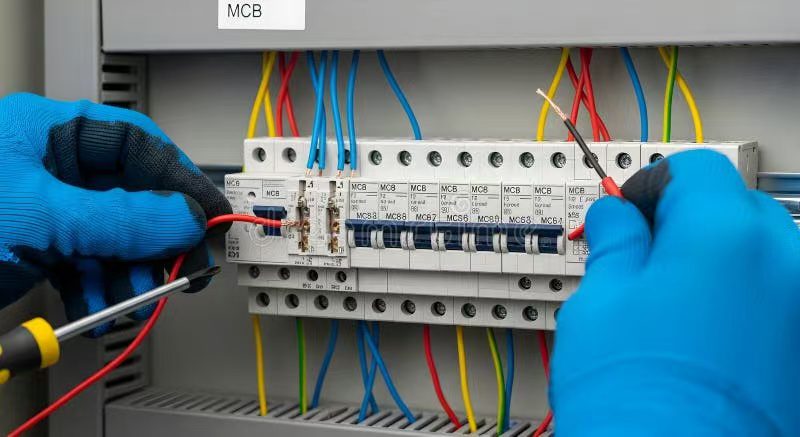
A circuit breaker is an electrical switch designed to protect circuits. It cuts off the power supply during overloads or short circuits, thereby protecting equipment (often multiple devices or an entire circuit). When the circuit breaker is in the “on” position, current flows through normally. There are various types of circuit breakers.
Circuit breakers provide two types of protection: overload protection and short-circuit protection.
In principle, a circuit breaker contains a bimetallic strip connected to the circuit; this strip consists of two connected metal layers with different coefficients of thermal expansion. When the current exceeds the rated value, the strip bends due to the differing rates of thermal expansion between the two metals. During a short circuit or overload, the thinner one deforms significantly, pushing the switch to the “off” position (tripping) and cutting off the power. Other circuit breakers operate on electromagnetic principles: when the current is excessive or in short circuit , an electromagnetic mechanism triggers the switch to the “off” position, causing the breaker to trip and disconnect the circuit.
Circuit breakers are typically installed to serve specific areas or load requirements; a single breaker often supplies power to multiple devices. When the electrical load exceeds the rated capacity, or short circuit happens in the connected equipment or circuit, circuit breaker cuts off the power by “tripping.”
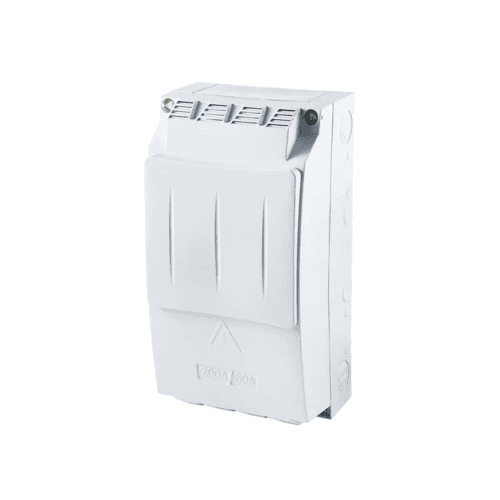
Circuit breakers come in various current ratings and frame sizes. Breakers with lower ratings are used to protect individual devices and feature smaller frames, whereas those with higher ratings are used to protect and control entire circuits and feature larger frames .
What is Fuse, and how does it work?
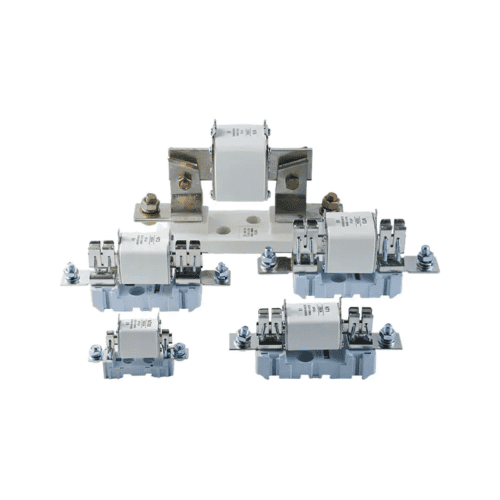
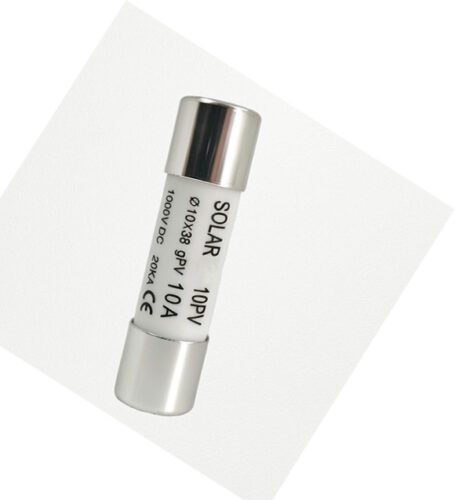
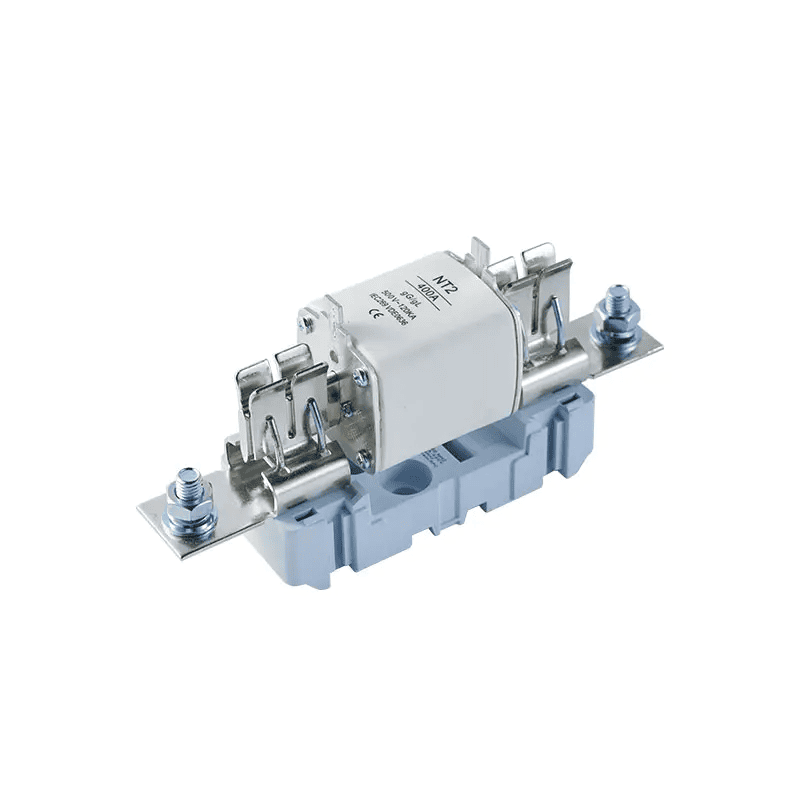
A fuse is a single-use,Disposable, current-limiting protective device.The maim core component is the fuse link, which is connected in series within the circuit (specifically on the positive or live wire).In overload or short circuit circuits, the current surges, causing the temperature of the fuse link to rise rapidly. Once the metal’s melting point is reached, the cooper wire or cooper strip of the fuse link will melt and break the circuit, cutting off the fault current and protecting downstream cables and equipment. Under normal conditions, current flows through the fuse, and the circuit operates normally.
Fuses provide two types of protection: overload protection and short-circuit protection.
Overload
When the current slightly exceeds the rated value, heat accumulates gradually, and the fuse link(cooper wire or copper strip inside) melts after a period of time. This acts as a time-delay protection, preventing the fuse from blowing due to the momentary inrush current during equipment startup.
Short Circuit
When an extremely high short-circuit current happens instantaneously, the fuse link heats up and blows immediately. The melting of the fuse link inside creates an arc, which is rapidly cooled and extinguished by the quartz sand inside the fuse link body, thereby quickly limiting the short-circuit current (a characteristic known as current limitation).
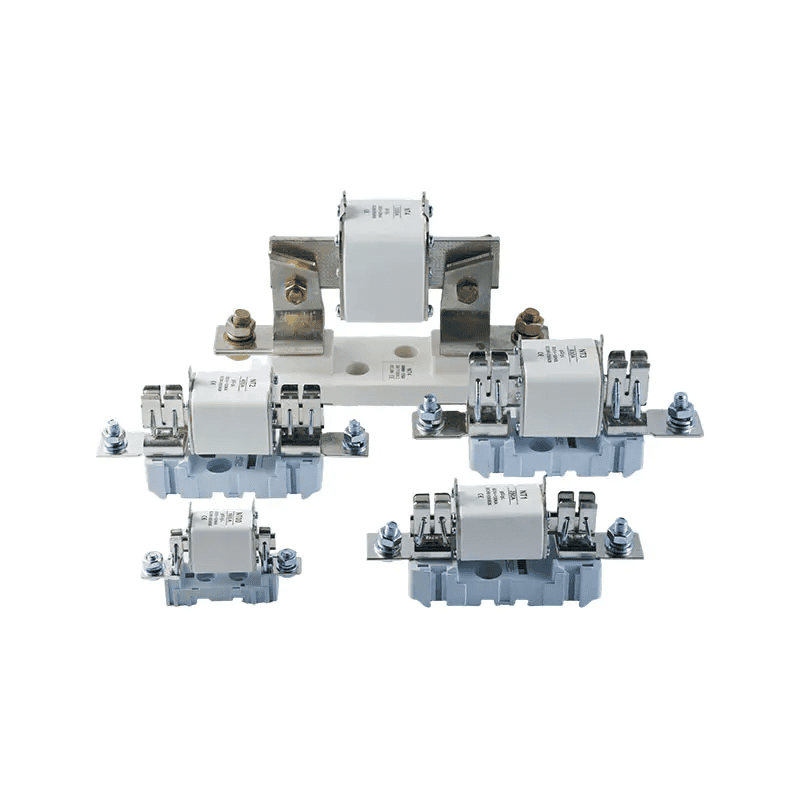
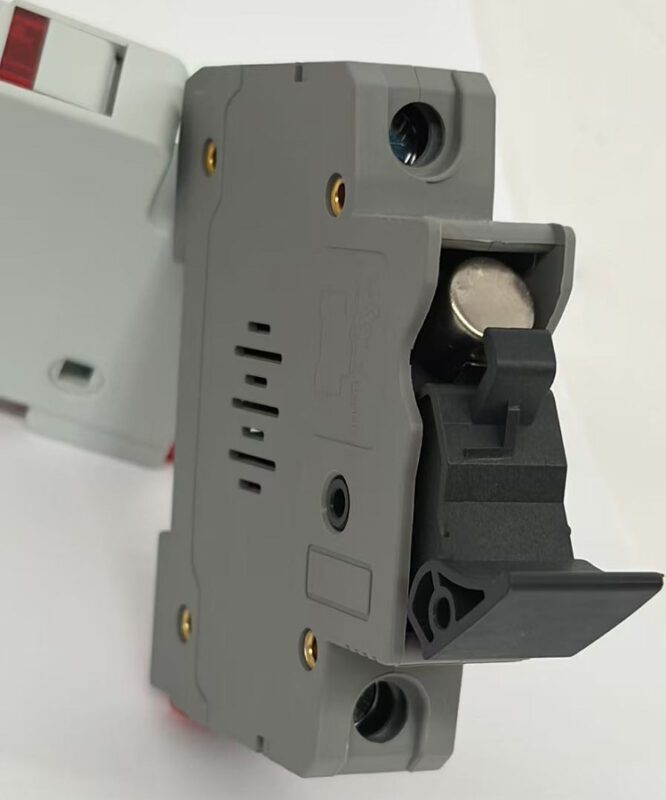
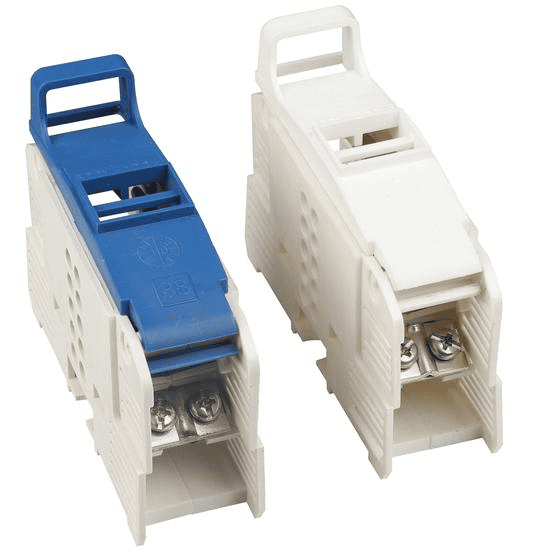
The internal fuse wire or strip is typically enclosed in a glass, ceramic, or metal casing and installed in a dedicated base. A main fuse can be used to protect an entire household’s electrical system; in this case, it is installed in the main distribution board (or fuse box), which serves as the power supply hub for the home’s circuits.
The fuse link (or cartridge) is a disposable component; once it blows, it is destroyed and must be replaced with a new one, while the base remains reusable.
How to Select the Right Fuse for us :
To ensure the proper operation of electrical equipment and circuits, the fuse’s current rating should generally be slightly higher than the circuit’s operating current.
For example, to protect a circuit with an operating current of 16A, a 20A fuse should be used. This is because the fuse will blow when the current exceeds 20A, rather than immediately upon exceeding 16A. In the event of an overload or short circuit, the current surges and the fuse link’s temperature rises rapidly; the fuse then interrupts the fault current, protecting downstream cables and equipment. This prevents the fuse from blowing frequently due to high inrush currents when the equipment is powered on.
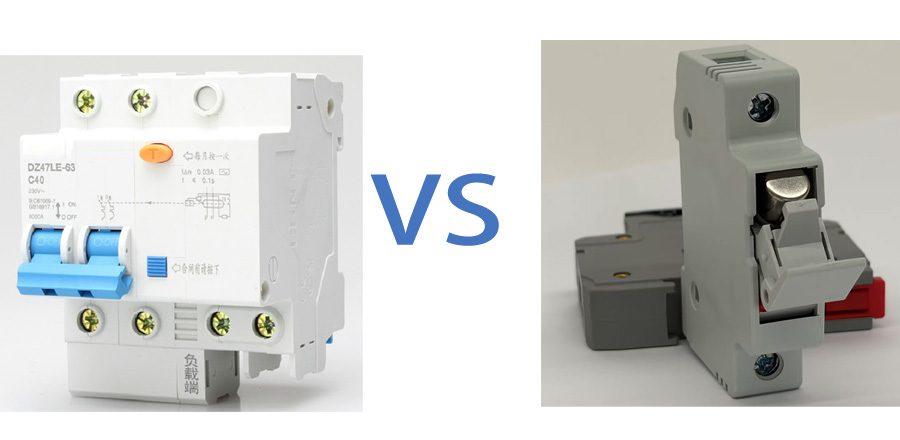
Compare Circuit Breaker and Fuse
Item | Fuse | Circuit Breaker |
| Protection principle | Interrupts the fault current by relying on the melting of the fuse link(copper wire or cooper strip inside) due to the heat generated. | Overload protection relies on a bimetallic strip, short-circuit protection relies on an electromagnetic coil trip mechanism. |
| Usage | Disposable,need backup new fuse link | Reusable: after tripping, Fix the fault and manually reset to restore operation. |
| Response Time | Extremely fast short-circuit interruption speed and excellent current-limiting performance. | Instantaneous tripping for short circuits; slower response to overloads compared to fuses. |
| Operation | automatically | It can be operated manually or actuated automatically via a mechanical device. |
switch on/off | √ | × |
| Protect Range | Only prevents overload damage to equipment and the home, protecting individual devices. | It prevents both overloads and short circuits, and is typically used to protect an entire residence or an entire piece of equipment. |
| Costs | low | high |
| Installation | Fuse link and fuse holder work together | All-in-one / Integrated |
| Applicable Scenarios | Short-circuit protection for power distribution circuits, transformer primary-side applications, and PV combiner boxes—targeting circuits that require high breaking capacity and current-limiting capabilities, and where faults circuit is infrequently. | Scenarios involving terminal distribution boxes and motor circuits that require frequent switching and rapid power restoration following a fault. |
Conclusion
Both Fuses and circuit breakers serve to protect electrical circuits; however, a fuse link is for disposable only, where circuit breaker is reusable. Fuses are less expensive and suitable for simpler applications, while circuit breakers are used in a wider range of scenarios and involve more complex design considerations regarding selective coordination. Users should make their choice based on specific needs and budget.
Whether Fuse or Circuit breaker is useful, both play a vital role in ensuring circuit and personnel safety, promoting safe electricity usage, and preventing fires.
Welcome to contact us if you have more questions !